

Biochar in Agriculture…
Our Experience and Approach
At our company, we focus on solutions that work in real-world farming—not just in theory. That’s why we closely follow how biochar is being used across different parts of the world, learning from both research and practical experience in the field.
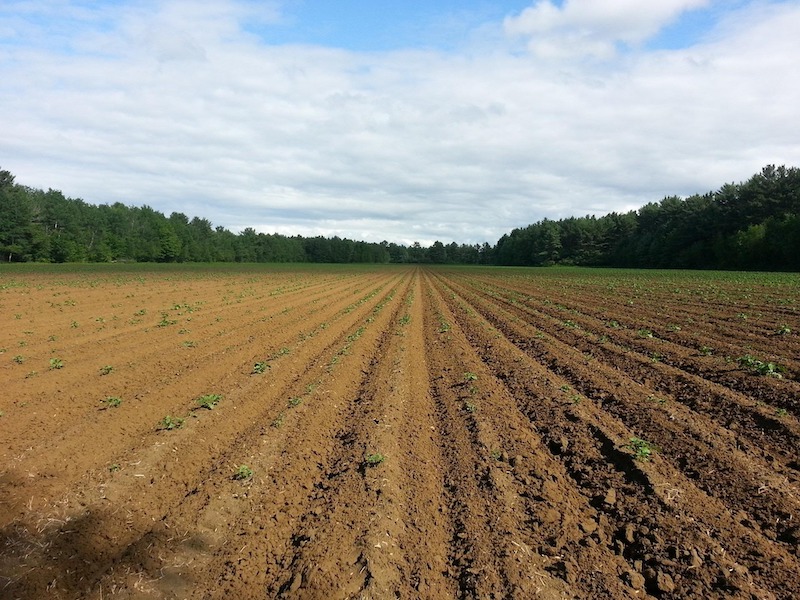 What we see clearly is this: biochar is not a quick fix. But when used correctly, it is one of the most promising tools we have for building better soil over time.
What we see in practice
Experiences from Europe, Africa, and the Americas show that biochar primarily works as a soil improvement tool. It does not supply large amounts of nutrients on its own, but it helps the soil retain both water and nutrients more effectively.
In practice, this means:
• Reduced nutrient losses.
• Improved fertiliser efficiency.
• More resilient crops.
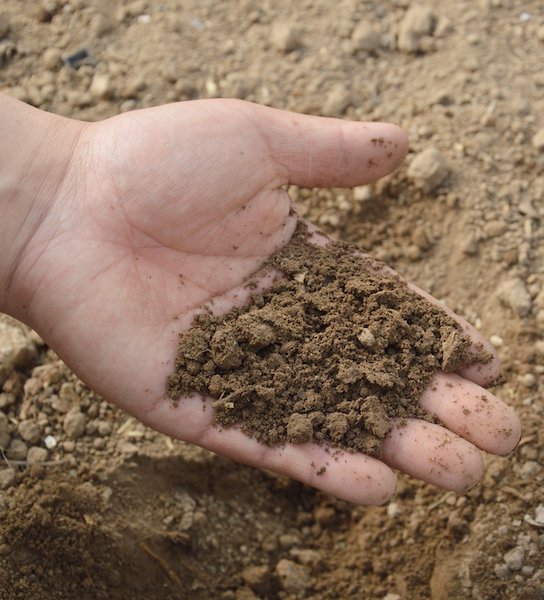 In poorer soils, this has led to clear increases in yields. In more developed agricultural systems, such as in Europe, the benefits are often seen as greater stability and gradual improvement over time.
How we recommend using biochar
Based on both research and hands-on experience, we do not recommend using biochar on its own.
The best results are achieved when biochar is:
• mixed with manure or compost
• integrated into existing fertilisation practices
• applied consistently over time
When biochar is “charged” with nutrients before application, it acts as a reservoir in the soil—holding nutrients and making them available to plants over a longer period.
Why this matters
For us, biochar is not just about agronomy—it’s about the future of agriculture.
We see biochar contributing to:
• more stable yields in a changing climate
• more efficient use of inputs
• reduced environmental impact
By storing carbon in the soil, biochar represents a long-term investment—for farmers and for society.
 A realistic perspective
We believe it’s important to be clear: biochar does not replace fertilizers or lime.
But it can make what you already do work better.
That is exactly why we work with biochar—because it builds soil, not just short-term results.
Our conclusion
Our experience, based on both research and real-world use, is straightforward:
Biochar is not a standalone solution—but it is an important part of the solution.
When used correctly and over time, it contributes to:
• healthier soils
• better resource efficiency
• more resilient farming systems